
What Veterinarians Do: A Complete Guide to the Profession
Veterinarians are licensed medical professionals who diagnose, treat, and prevent diseases and injuries in animals. They perform physical exams, administer vaccines, perform surgeries, and educate pet owners on proper care, working in clinics, farms, labs, and more.
What Veterinarians Do: Daily Duties and Core Responsibilities
Veterinarians are licensed medical professionals who protect the health and well-being of animals. Their day-to-day work blends clinical medicine, surgery, preventive care, and client education. Here's a breakdown of what veterinarians actually do:
- Perform physical examinations – Vets assess an animal's overall health, checking vital signs, body condition, and any visible abnormalities.
- Diagnose illnesses and injuries – Using clinical skills and diagnostic tools, vets identify conditions ranging from infections to chronic diseases.
- Administer vaccines – Vets give core and lifestyle vaccines to prevent contagious and life-threatening diseases, and provide guidance on vaccination schedules.
- Perform surgeries – Common procedures include spay/neuter, tumor removal, and emergency operations, all done under anesthesia with pain management.
- Provide dental care – Dental cleanings, extractions, and oral health assessments are routine parts of veterinary practice.
- Use diagnostic imaging – X-rays and ultrasound help vets see inside the body to diagnose fractures, organ issues, and other conditions.
- Educate pet owners – Vets guide owners on nutrition, behavior, parasite prevention, and proper animal care and handling.
- Prescribe medications – From antibiotics to pain relief, vets manage treatments and monitor progress.
- Provide emergency and end-of-life care – Vets handle urgent cases and offer compassionate euthanasia when needed.


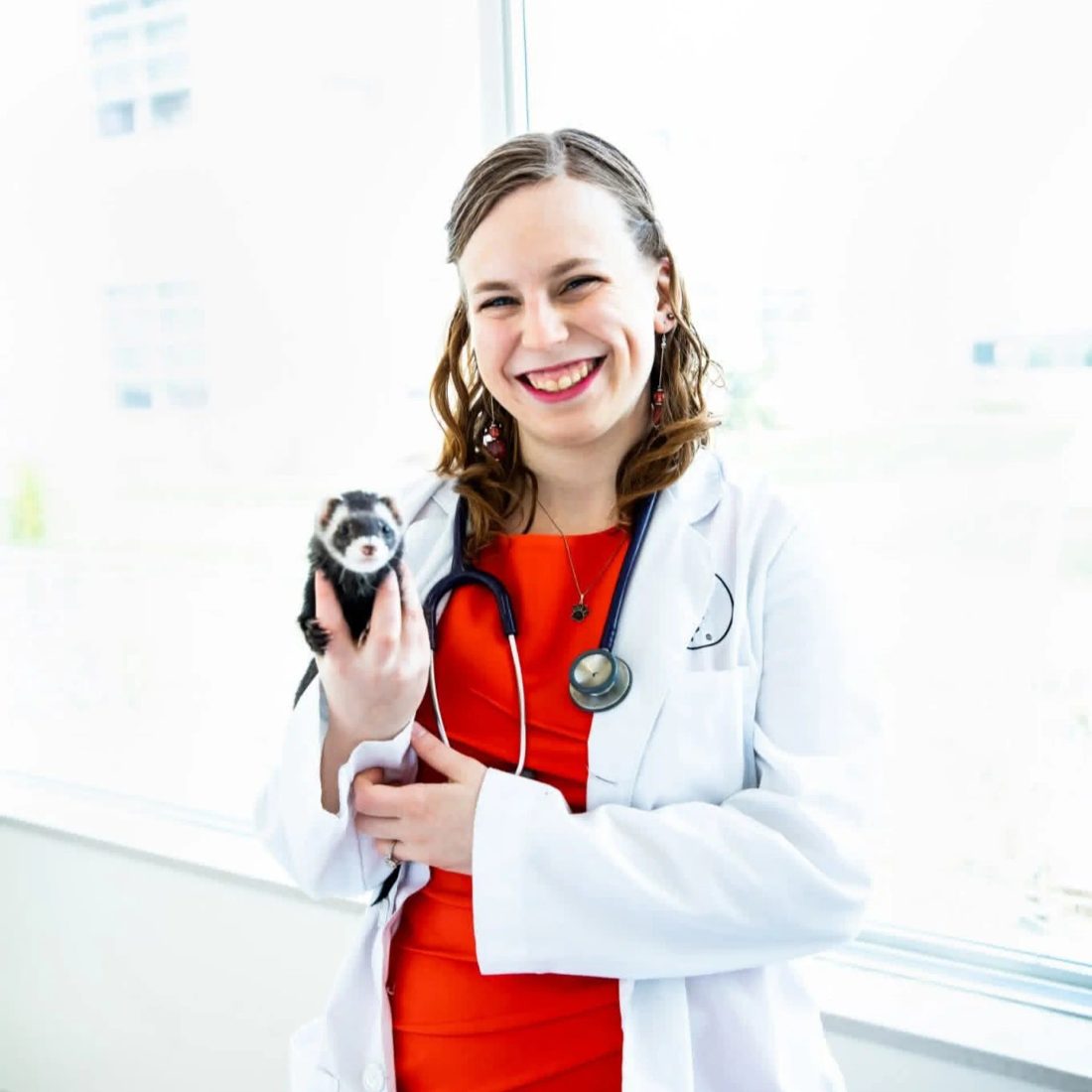


Becoming a Veterinarian: Education, Difficulty, and Doctor Status
Yes, a veterinarian is a real doctor. They earn a Doctor of Veterinary Medicine (DVM) degree and are licensed medical professionals. Becoming a vet is challenging—it requires a bachelor's degree, completion of a four-year veterinary program, and passing national and state board exams. Admission to vet school is competitive, with many applicants holding high GPAs and extensive animal experience. The difficulty is comparable to human medicine, though vet school is often harder to get into due to fewer schools. It's never too late to pursue this career; many vets start later in life.
A good fit if…
- You have a strong passion for animal health and welfare.
- You're committed to a demanding academic path.
- You enjoy problem-solving and working with both animals and people.
Consider another option if…
- You're looking for a quick or easy career path.
- You're uncomfortable with blood, surgery, or euthanasia.
- You prefer minimal client interaction.
To decide, shadow a veterinarian or volunteer at a clinic to see the reality of the job before committing to the educational investment.
Where Veterinarians Work: From Pets to Wildlife and Public Health
Veterinarians work in diverse settings beyond private clinics. Many work with livestock, wildlife, racehorses, marine animals, and even zoo species. Others serve in public health roles, inspecting food safety, controlling disease outbreaks, and supervising the shipment of animals across borders. Some vets work in laboratories, research facilities, or government agencies like the FDA.
In a typical companion animal practice, vets see dogs, cats, and pocket pets, but many also care for exotic pets like reptiles and birds. The work environment ranges from small clinics to large hospitals, and some vets even make farm calls. Regardless of setting, the core mission stays the same: protecting the health of animals and people.
Veterinarian Salary: What Do Vets Earn?
Veterinarian earnings vary by experience, location, and specialty. The table below gives a general picture (figures are approximate and vary).
| Setting | Typical Range (Annual) | Notes |
|---|---|---|
| Private practice (companion animal) | $80,000 – $120,000 | Most common; income grows with experience and client base. |
| Corporate or specialty hospital | $100,000 – $150,000+ | Specialists earn more due to advanced training. |
| Government or public health | $90,000 – $130,000 | Stable hours and benefits. |
| Academia or research | $70,000 – $110,000 | Often requires additional degrees. |
| Emergency or relief work | $100,000 – $160,000+ | Higher pay for irregular hours. |
Overall, veterinary medicine offers a solid middle-class income, though educational debt can be significant. Financial viability depends on your specialty, location, and lifestyle choices.
Directions to our Veterinarian in Omaha, NE from Chalco Hills Recreation Area
Start at Chalco Hills Recreation Area and head to Goodrich Veterinary Clinic at 14120 S St, Omaha, NE 68137.
Veterinary Specialties: Beyond General Practice
After earning a DVM, veterinarians can pursue advanced training in a specialty. Common specialties include surgery, dermatology, oncology, ophthalmology, and behavioral medicine. Specialists often work in referral hospitals and handle complex cases that general practitioners refer. Board certification requires additional years of residency and passing rigorous exams. Specialization can lead to higher pay and more focused work, but it also demands more time and dedication.
What Our Vets Do at Goodrich Veterinary Clinic in Omaha
At Goodrich Veterinary Clinic in Omaha, our veterinarians provide comprehensive care for dogs, cats, pocket pets, and exotic pets. Here's what a typical visit looks like:
- Schedule an appointment – Call us at (402) 896-4511 or use our online booking. New clients get a free first exam (terms apply).
- Wellness exam – Our vets perform a thorough physical exam, assess vital signs, and discuss your pet's health history.
- Preventive care – We administer vaccinations, parasite prevention, and deworming, and offer microchipping.
- Diagnostics and treatment – If needed, we use in-house diagnostics and imaging (X-ray, ultrasound) to diagnose and treat illnesses or injuries.
- Ongoing support – We provide dental care, surgery, grooming, and end-of-life care, plus an in-house pharmacy for medications.
We've proudly served Omaha since 2014, with over 275 five-star reviews. Find us at 14120 S St, Omaha, NE 68137, near Millard and Chalco. Visit our veterinarian omaha ne page to learn more about our services.
Sources
Also asked as
- What does a veterinarian do on a daily basis?
- What are the duties of a veterinarian?
- What do vets do at a clinic?
Frequently asked questions
Do veterinarians make a lot of money?
Veterinarians earn a solid middle-class income, but it varies widely by setting, specialty, and location. General practitioners typically earn between $80,000 and $120,000 annually, while specialists can earn more. However, educational debt can offset earnings, so financial viability depends on individual circumstances.
Is a vet technically a doctor?
Yes, veterinarians are doctors. They earn a Doctor of Veterinary Medicine (DVM) degree and are licensed medical professionals. They are trained to diagnose, treat, and prevent diseases in animals, just as medical doctors do for humans.
Is becoming a vet very hard?
Becoming a vet is challenging. It requires a bachelor's degree, completion of a four-year veterinary program, and passing national and state board exams. Admission to vet school is competitive, with many applicants holding high GPAs and extensive animal experience. The difficulty is comparable to human medicine.
Is a vet harder than a doctor?
Both paths are demanding, but vet school is often harder to get into due to fewer schools. The curriculum is similar in rigor, covering anatomy, pharmacology, and surgery. Many vets argue the emotional toll of treating animals who can't speak is uniquely challenging.
Is a 3.5 GPA bad for vet school?
A 3.5 GPA is competitive for many vet schools, though top programs may expect higher. Admissions also consider animal experience, letters of recommendation, and interview performance. A strong application can offset a slightly lower GPA.